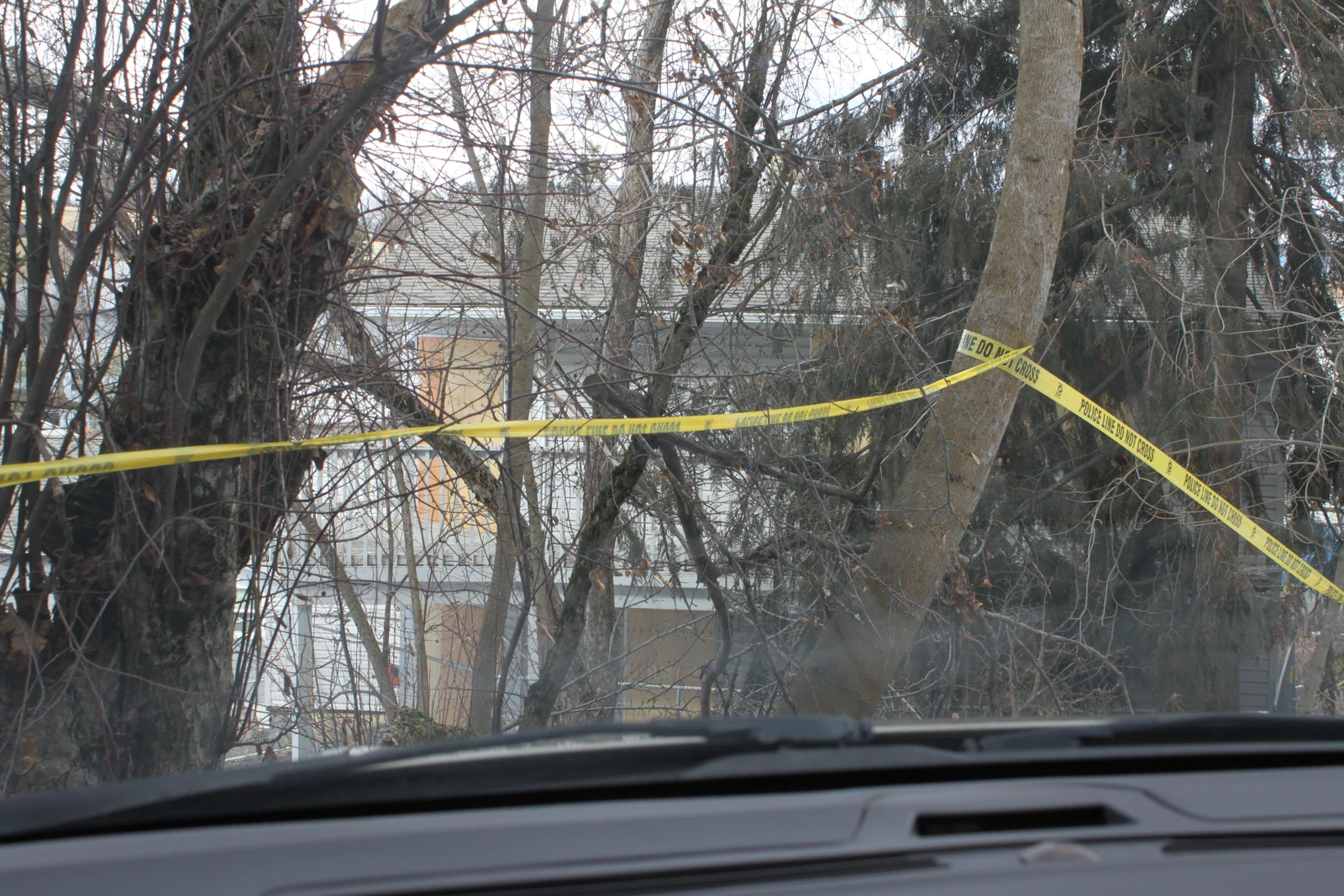
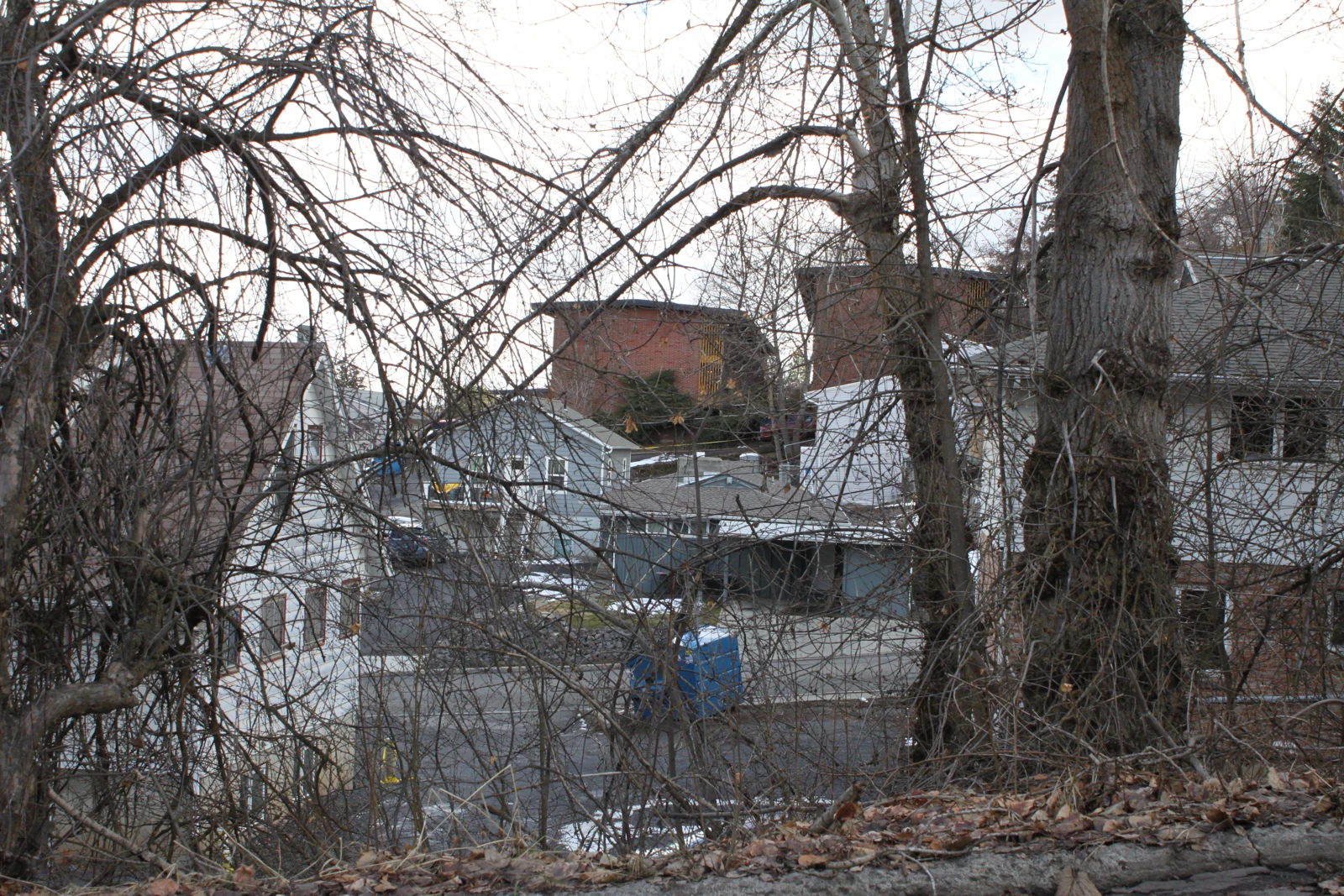
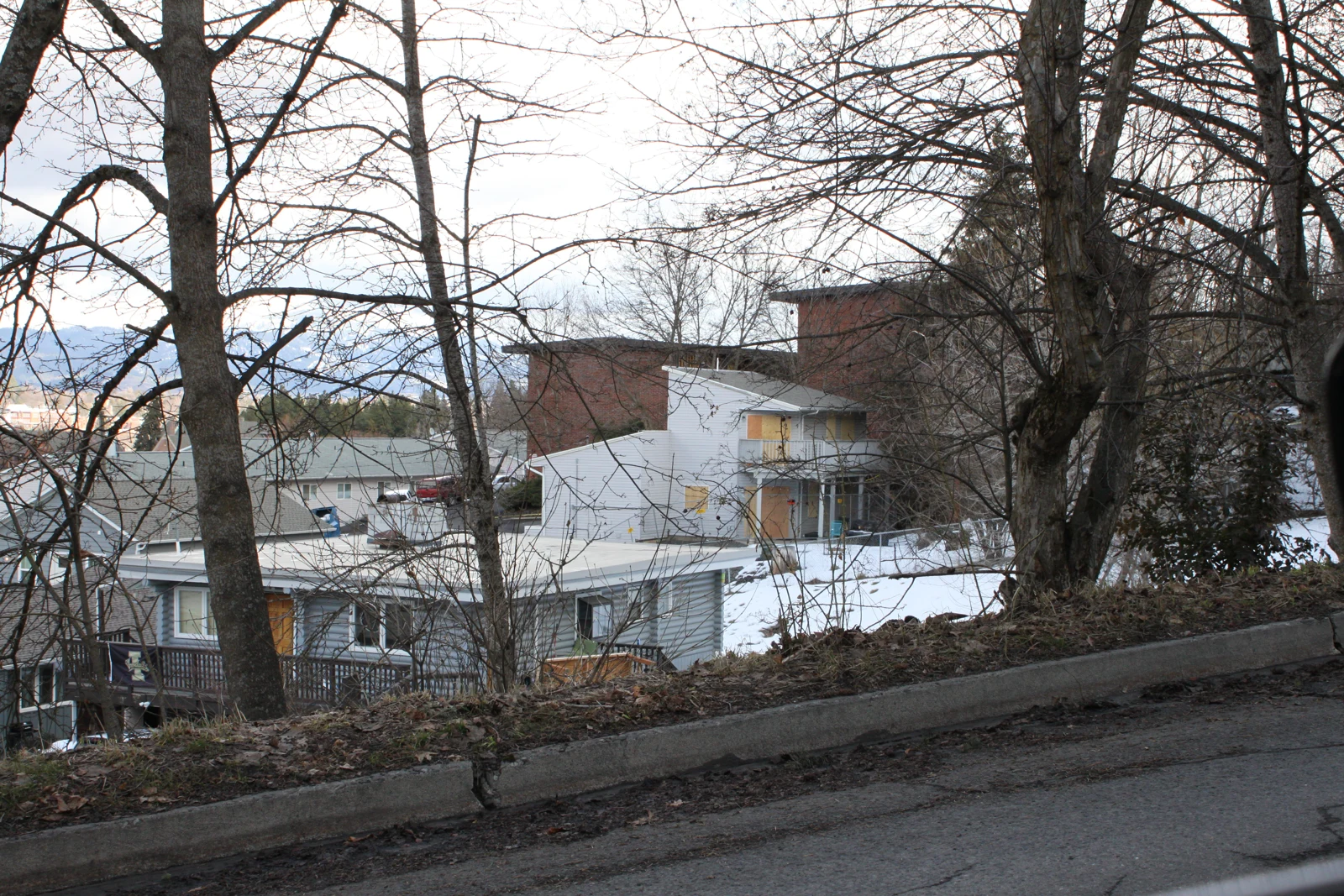
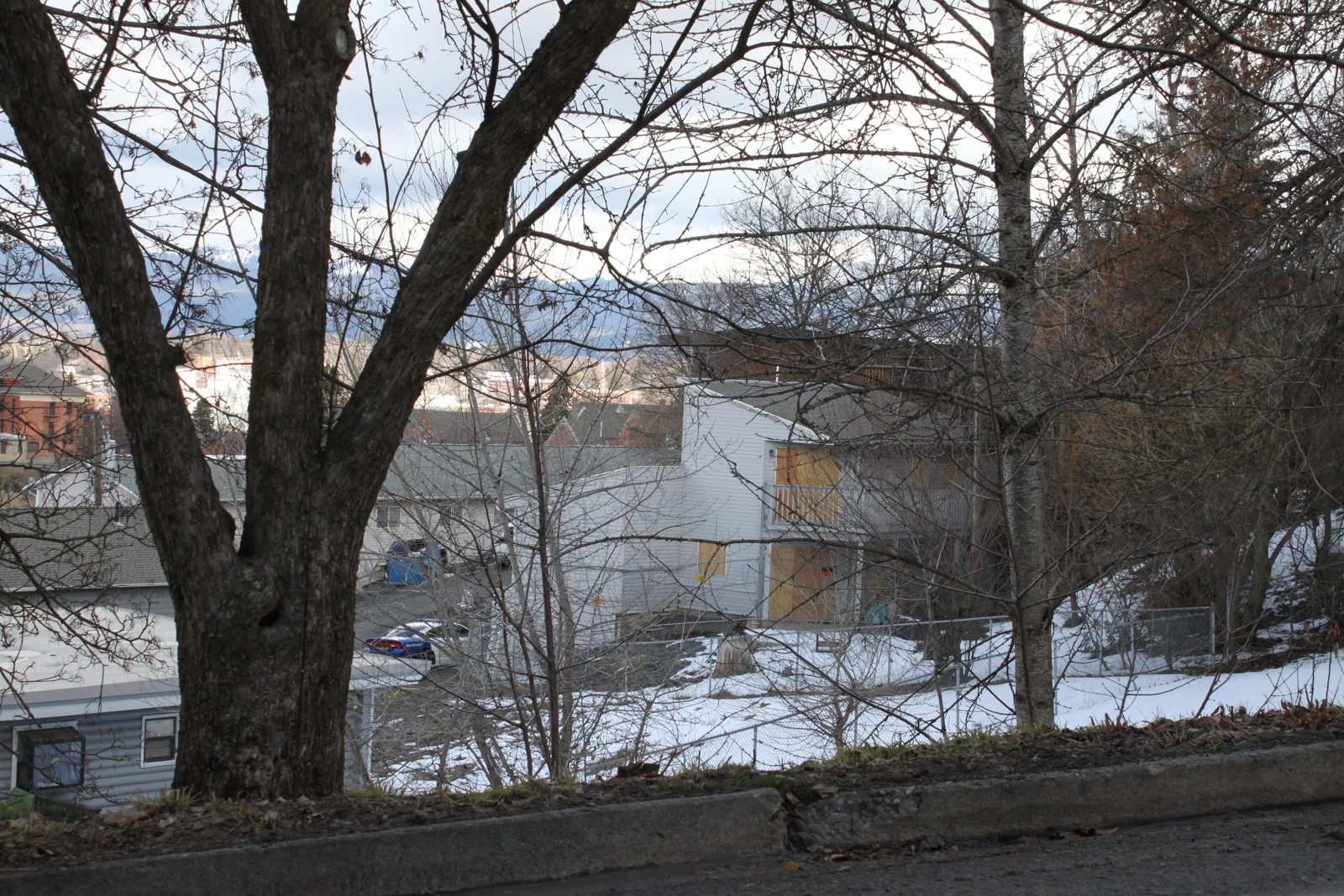
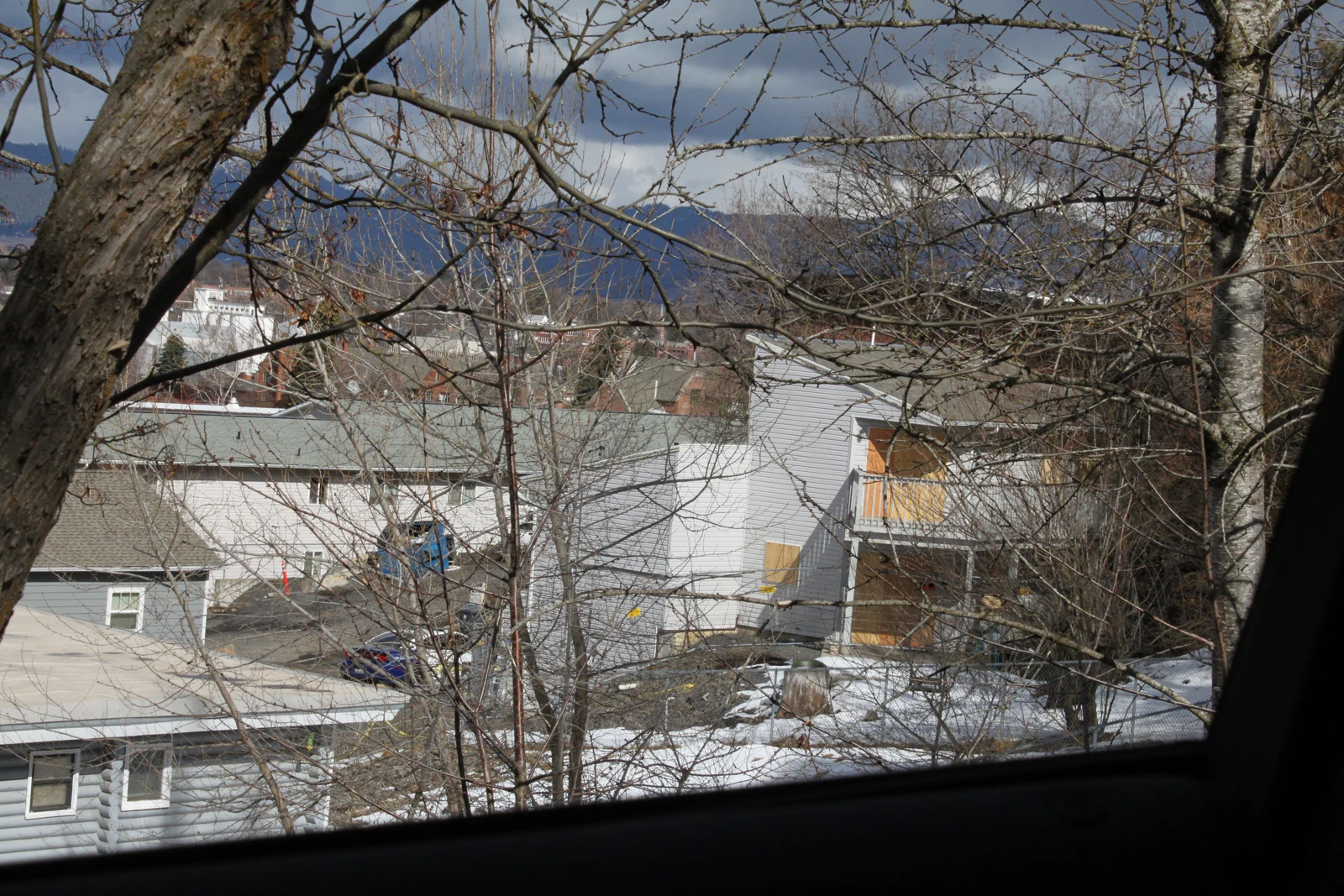
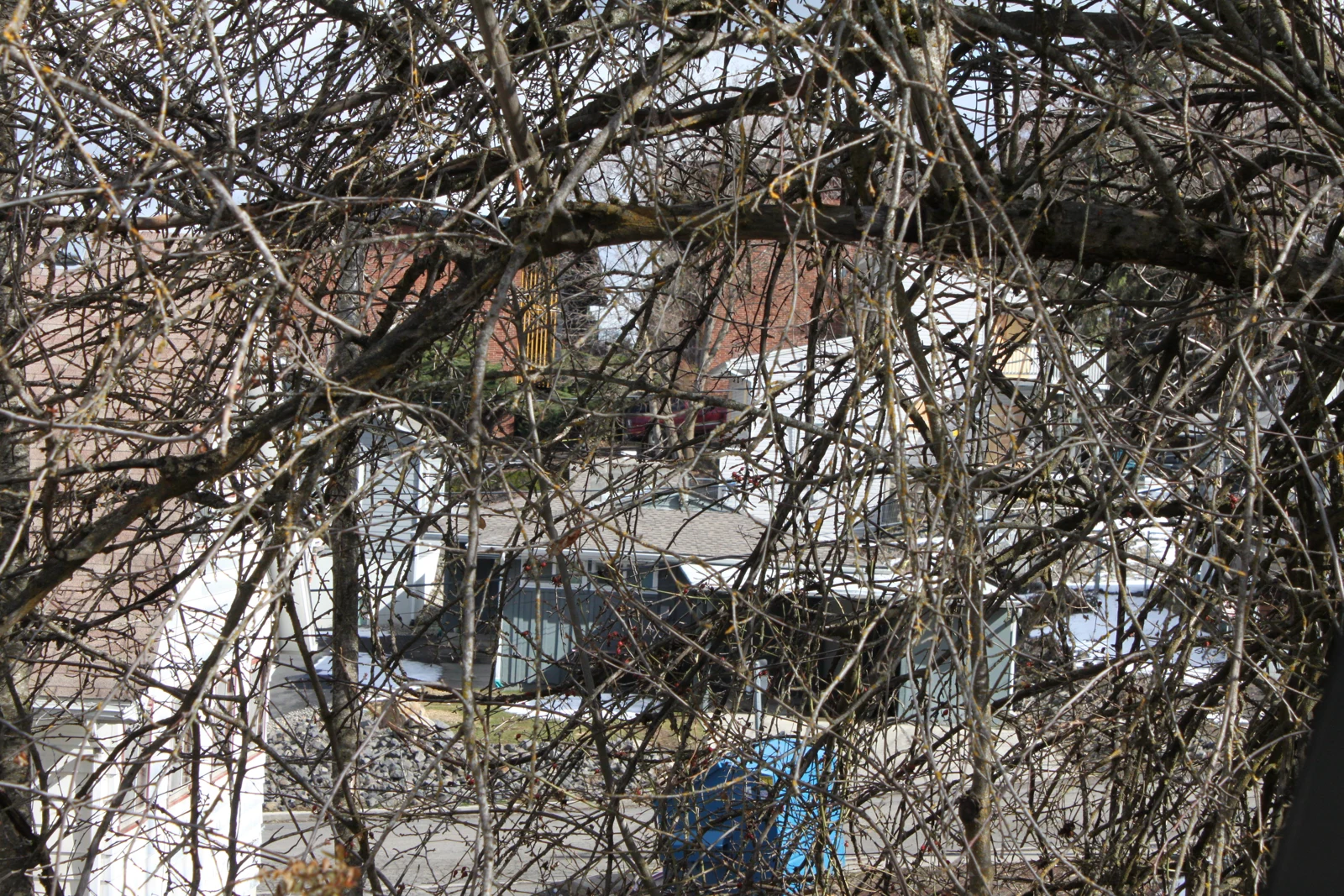
An in-person Idaho State Police interview of Jack DuCoeur, Kaylee Goncalves’s former boyfriend, recorded at 10:03 a.m. on November 17, 2022. Detective Sergeant Mike Van Leuven and Detective Rich Alderson question DuCoeur about his relationship with Kaylee; his work, bar, ride, and sleep timeline on November 12–13; repeated calls and texts from Kaylee and Madison Mogen; his knowledge of Ethan Chapin and Xana Kernodle; access to 1122 King Road; knives; the house’s door code and locks; the victims’ social circle; and an unidentified rideshare driver. DuCoeur says he left the Corner Club at about 1:00 a.m., reached home shortly afterward, and was asleep around 1:20 a.m. Phone records shown during the interview reportedly include a 2:26 a.m. call from Kaylee that lasted 16.88 minutes; DuCoeur says he does not remember answering or speaking with her and suggests the connection may have been accidental. He also describes the next morning, when he saw police activity near 1122 King Road, approached the scene, and was later placed in a patrol car after identifying himself as Kaylee’s former boyfriend. The interview includes discussion of Grub Truck footage, a neighbor’s doorbell video, a black Baton vape, phone-log and text printouts, a sketch of the house, and the property’s keypad code. This record summarizes what the participants said and what the transcript reports they viewed; it does not independently establish the truth of every statement or the authenticity and completeness of each referenced exhibit.
This released segment resumes the November 17, 2022 interview of Jack DuCoeur at approximately 11:36 a.m. and continues the interview preserved in Record 004. The interviewers return to a neighboring home-security camera and screenshots that DuCoeur says show a vehicle arriving near 1122 King Road at approximately 1:56 a.m. and leaving roughly 50 seconds later. DuCoeur repeatedly qualifies that he cannot be certain the vehicle belongs to the rideshare driver, and says Moscow police were told where to obtain the video. Investigators then ask about access to the house, how widely the keypad code may have circulated, whether the exterior doors were normally locked, and whether the code may have remained unchanged from the prior year. The discussion expands to Madison Mogen’s background, relationships, former roommates, and people connected to Madison and Kaylee Goncalves. DuCoeur describes an anonymous Instagram account that allegedly asked whether he was still dating Kaylee and later offered to pay for intimate images. He also recounts hearing that Madison had received a possibly similar message and that Madison’s boyfriend received a Twitter message saying people were ‘coming for’ him. Those allegations are witness reports and are not authenticated by this transcript. Later, DuCoeur describes summer living arrangements at 1122 King Road, messages Kaylee allegedly received from another man, prior residents, and Kaylee’s move from the second-floor bedroom later occupied by Xana Kernodle to a third-floor bedroom about two months earlier. The segment closes at approximately 12:15 p.m. when an interviewer stops for another break. The transcript contains extensive digital redactions, unresolved speaker boundaries, and uncertain names; it documents investigative questions and witness recollection, not proven findings.
A short Accomplished_Day commentary video arguing that the November 17, 2022 Idaho State Police interview of Jack DuCoeur confirms an answered telephone call between Kaylee Goncalves and DuCoeur at 2:26 a.m. on November 13. The video’s publicly indexed description says the call lasted 16.88 minutes and that investigators had DuCoeur’s phone information during the interview. The underlying interview preserved in Record 004 substantially supports the narrower factual core: at 16:54 an investigator says printouts had been sent ‘from your phone’; at 19:07 he calls the entries incoming to DuCoeur’s phone; at 19:11 he identifies an entry dated November 13 at 2:26 a.m.; and at 19:20–19:26 he describes it as a 16.88-minute answered call. DuCoeur says he does not remember the call, later recalls seeing the entry on his phone, and accepts an accidental-answer explanation only as his best guess. The interview also says no call audio was known to be available. The source therefore supports that investigators were reviewing a printout showing an answered connection, but it does not establish what was said, whether anyone spoke, why the connection remained open, the precise technical origin or completeness of the printout, or the physical locations of either phone. Claims that the clip conclusively proves a 17-minute conversation, establishes motive, or resolves broader timeline disputes go beyond the underlying source. A complete transcript of this commentary video was not available during cataloging; Record 006 must be updated in place if captions or a supplied transcript become available.
A 2,356-page Idaho State Police Forensic Services production centered on laboratory case M2022-4843 for Moscow Police case 22-M09903, with related ISP Investigations laboratory case M2022-4870 / D22000030 material. The release contains case jackets, submission and item inventories, chain-of-custody and location records, biology and DNA worksheets, STRmix output, CODIS-related documentation, latent-print processing and comparison reports, analyst notes, technical and administrative reviews, correspondence, discovery-packet histories, audit entries, and supporting forms. It records numerous submissions from November 2022 through June 2025 and references suspected biological stains, reference samples, DNA extracts, latent lifts, clothing and other evidence. Individual report language and statistical conclusions must be read in context; this archive record indexes the production and its searchable extraction rather than collapsing thousands of pages into a single forensic conclusion.
A large collection of Idaho State Police investigative supplements for case D22000030. The searchable extraction includes the November 13, 2022 initial call-out, witness and roommate interviews, crime-scene work on multiple dates, photographic and SUAS documentation, evidence transport, phone and video inquiries, search-warrant activity, receipts, hospital checks, WSU and Moscow reports, vehicle and Hyundai Elantra processing, defense evidence processing, and later witness-list follow-up. At least 117 unique supplement identifiers and 35 report-title labels are visible in the extraction, with reports attributed to numerous ISP investigators. The collection records officer narratives, witness recollections, investigative leads and later follow-up; those categories are not interchangeable with independently proven fact.